Pattachitra in Gen Z Fashion
Exploring how Pattachitra can be positioned in Gen Z fashion by understanding perspectives from Artisans, Fashion Designers, and Gen Z Consumers.

Key Research Findings
The Challenge
While Gen Z shows interest in cultural fashion, traditional Pattachitra motifs often feel too heavy for everyday streetwear. Concurrently, artisans struggle with shrinking markets and low income.
Artisan Perspectives
Open to modern collaborations but highly concerned about over-modernization. They want to preserve cultural meaning and ensure fair compensation and recognition.
Designer Insights
See huge potential in fusing heritage art with modern streetwear. Challenges include adapting to artisan production speeds and bridging the gap between traditional craft and modern aesthetics.
Gen Z Consumers
Attracted to the aesthetic but prefer minimalist, stylized versions over heavy traditional prints. Pastel and monochrome palettes on oversized streetwear are favored over bright traditional colors.
Product Design Concepts
Visualizing Pattachitra art translated into modern Gen Z streetwear and apparel.
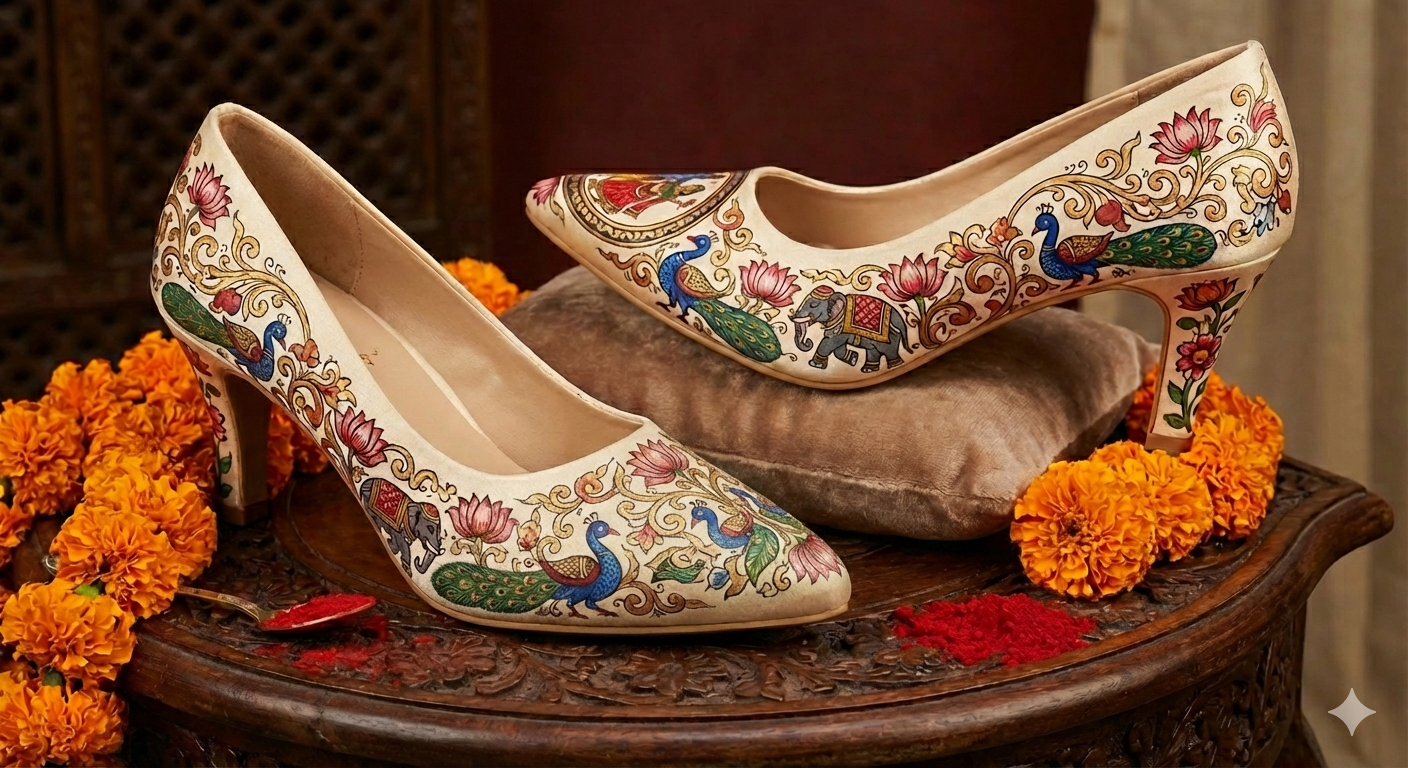
.png)
.png)
.png)
.png)
Q-Commerce Student Purchasing Patterns
A comparative study on quick commerce purchasing preferences and shopping patterns of college students based on their living arrangements.
Abstract & Objectives
Authors: Lopamudra Sahu, Prinshu Singh, Ritika Kumari
Supervisors: Prof. Dr. Ritika Saxena, Prof. Bhawana Chauhan
Research Problem
Quick commerce has disrupted retail, but a critical underexplored factor is how a student's living arrangement shapes their usage frequency, product choices, and spending behavior.
Methodology
A quantitative, cross-sectional design using convenience sampling. Data from 59 college students was analyzed using independent t-tests and chi-square tests.
Key Findings
Contrary to initial hypotheses, students living at home use Q-commerce more frequently than those in hostels/PGs (p=0.024), likely due to financial factors and budget constraints.
Product Preferences
Hostel/PG students heavily favor Food & Snacks (64.7%), often ordering late at night, while students at home lean towards Groceries & Household Staples (40%). UPI is the dominant payment mode.
